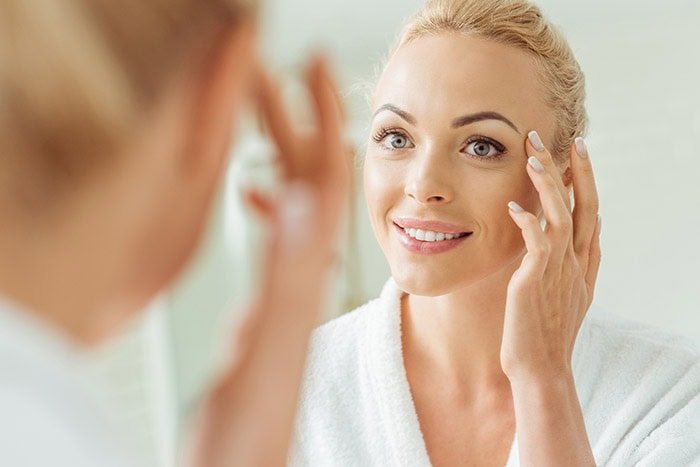

Dynamic wrinkles are a common sign of facial aging that develops through repeated muscle movements over time. Smiling, frowning, squinting, and raising the eyebrows contribute to the formation of lines across different areas of the face. Although these expressions communicate emotions, repeated contractions of facial muscles can gradually make certain wrinkles more noticeable. Botox cosmetic is a popular non-surgical treatment that can help soften the appearance of these expression-related lines.
Understanding Dynamic Wrinkles
Dynamic wrinkles develop when facial muscles contract during everyday expressions. The skin folds temporarily as the muscles move, but these creases may become visible even when the face is at rest as the skin ages and loses elasticity.
Common areas affected by dynamic wrinkles include the forehead, the region between the eyebrows, and the outer corners of the eyes. These lines are often referred to as forehead lines, frown lines, and crow’s feet. Sun exposure, natural aging, and individual facial characteristics can influence how early these wrinkles appear and how prominent they become.
Unlike wrinkles primarily caused by volume loss or sun damage, dynamic wrinkles are directly associated with repeated muscle activity. Understanding this distinction helps explain why Botox Cosmetic may be suitable for certain expression-related lines.
How Botox Cosmetic Works
Botox cosmetic contains onabotulinumtoxinA, a purified protein that temporarily reduces the activity of targeted muscles. It works by blocking the release of acetylcholine, a chemical messenger involved in signaling muscles to contract.
During treatment, a qualified healthcare professional administers small amounts of the product into selected facial muscles. As muscle activity decreases, the skin above those muscles folds less prominently during facial expressions. This can make specific wrinkles appear softer and less noticeable.
The treatment does not permanently eliminate wrinkles or stop the natural aging process. Instead, it temporarily reduces the muscular movements responsible for many dynamic lines. Because the effect is localized to selected muscles, appropriate injection placement and dosing are important for achieving balanced results while preserving natural facial expressions.
Common Treatment Areas
Botox Cosmetic is approved in the United States for treating certain moderate to severe facial lines in adults. These include forehead lines, frown lines between the eyebrows, and crow’s feet around the eyes.
Forehead treatments may soften horizontal lines that develop when the eyebrows are raised. Injections targeting the muscles between the eyebrows can reduce the appearance of vertical frown lines. Around the eyes, treatment may help minimize crow’s feet that become noticeable when smiling or squinting.
Results vary depending on facial anatomy, muscle strength, skin condition, and the treatment approach. A professional assessment helps determine whether Botox Cosmetic is appropriate for the specific wrinkles being addressed.
Safety and Professional Consultation
Like any medical procedure, Botox Cosmetic carries potential risks. Temporary bruising, swelling, tenderness, headache, or eyelid drooping may occur. Rarely, the effects of botulinum toxin can spread beyond the injection site and cause serious symptoms, including difficulty swallowing, speaking, or breathing. Such symptoms require immediate medical attention.
Treatment should be administered by a qualified and appropriately licensed healthcare professional who understands facial anatomy and the product’s safety information. A consultation should include a review of medical history, medications, treatment goals, and potential risks.
Botox Cosmetic can help reduce the appearance of dynamic wrinkles by temporarily relaxing selected facial muscles. It may soften forehead lines, frown lines, and crow’s feet while allowing natural expressions to remain when treatment is carefully planned. Understanding how the procedure works, its limitations, and its potential risks helps individuals make informed decisions about facial rejuvenation.