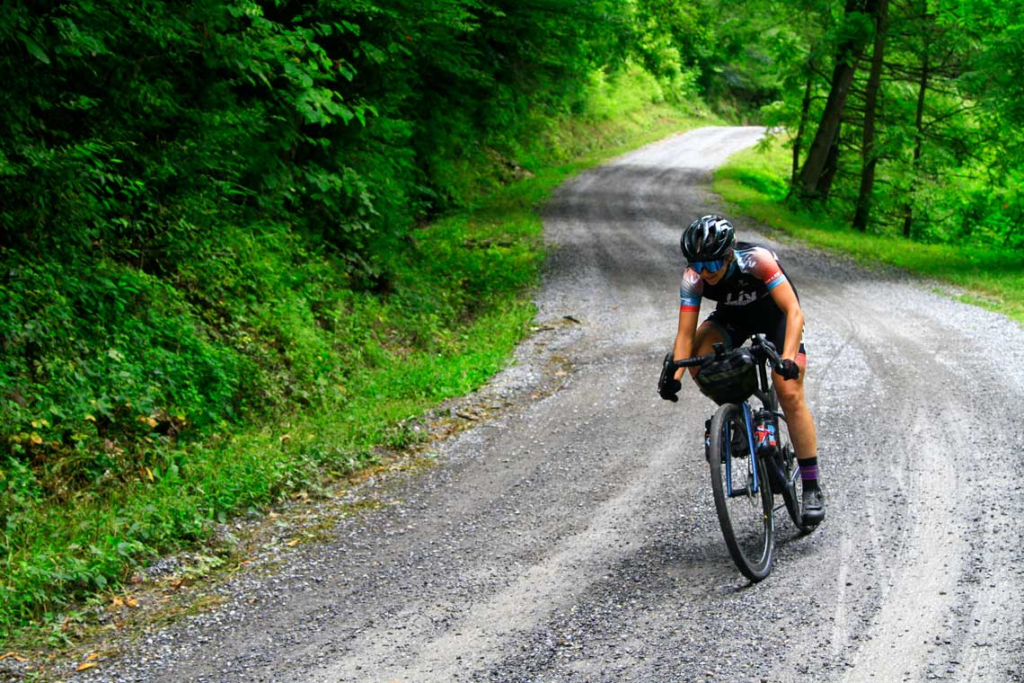

Over the past few years, gravel biking has transformed from a small and relatively unknown cycling activity into one of the fastest-growing trends in the cycling world. Riders from many backgrounds, starting from casual weekend cyclists to highly trained endurance athlete, are increasingly drawn to this style of riding. In the opinion of Steven Rindner, for many cyclists, gravel biking offers a refreshing alternative to traditional road cycling and mountain biking. It allows riders to explore new places, enjoy outdoor adventures, and train in a relaxed and flexible manner.
Steven Rindner Highlights A Few Factors That Make Gravel Biking Highly Appealing
Gravel biking refers to cycling that takes place on unpaved or mixed terrain instead of strictly on smooth, paved roads. This activity lies somewhere between road cycling and mountain biking. Road cycling is usually done on well-maintained pavement and focuses on speed and efficiency. Mountain biking, on the other hand, typically takes place on rugged trails with steep climbs, technical descents, and obstacles. Gravel biking blends elements of both disciplines, offering a balance between comfort, exploration, and performance.
A typical gravel ride may include several types of surfaces during a single journey. Gravel cyclists often move between paved streets, gravel paths, dirt farm roads, forest trails, and gentle off-road sections. Because of this combination of surfaces, gravel cycling provides a highly versatile riding experience. Cyclists can easily leave crowded city streets and travel into quieter rural areas where traffic is lighter and natural scenery is more enjoyable.
One of the reasons gravel biking has become so popular is its simplicity and accessibility. As opposed to some other forms of cycling that require advanced technical skills or specialized training, gravel riding is relatively easy to begin. Cyclists get to choose their own pace and level of challenge without feeling pressured to compete. Many consider gravel biking to be a relaxed recreational activity, while others treat it as a form of endurance training. The mixture of roads, trails, and natural paths allows cyclists to shape each ride according to their preferences.
As per Steven Rindner, the most appealing aspect of gravel biking is the sense of freedom it provides. Instead of being limited to paved roads, it allows cyclists to explore a wider variety of landscapes. Forest trails, countryside paths, coastal tracks, and rural dirt roads all become part of the riding experience. Many cyclists appreciate the opportunity to leave busy urban environments behind and spend more time surrounded by nature.
In recent years, riding in cities has become more stressful for many cyclists. Heavy traffic, distracted drivers, and crowded bike lanes can make urban cycling uncomfortable or even unsafe. Because of this, many riders are searching for quieter and safer places to ride. Gravel routes often tend to pass through rural regions where there are far fewer vehicles. This creates a calmer environment where cyclists are able to focus on enjoying the ride rather than constantly worrying about traffic. Gravel biking also encourages exploration and adventure. Cyclists are free to design their own routes instead of following fixed or traditional cycling paths.